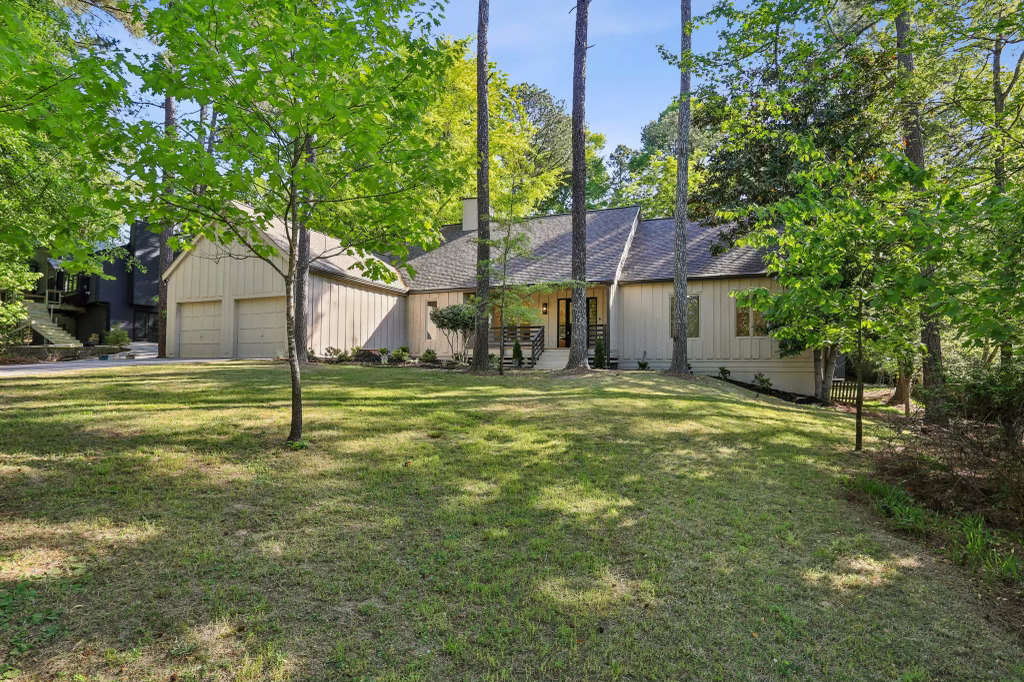
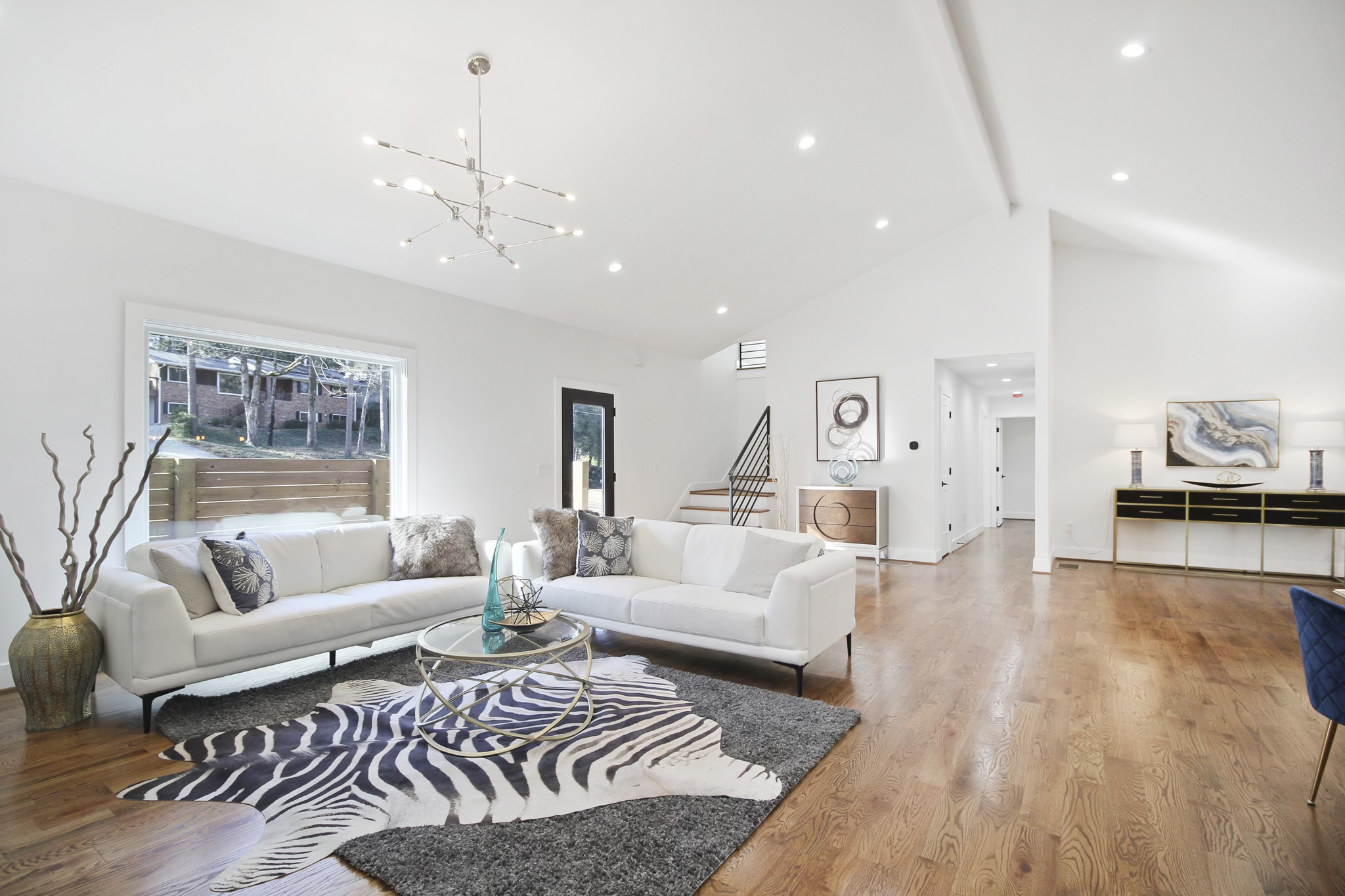
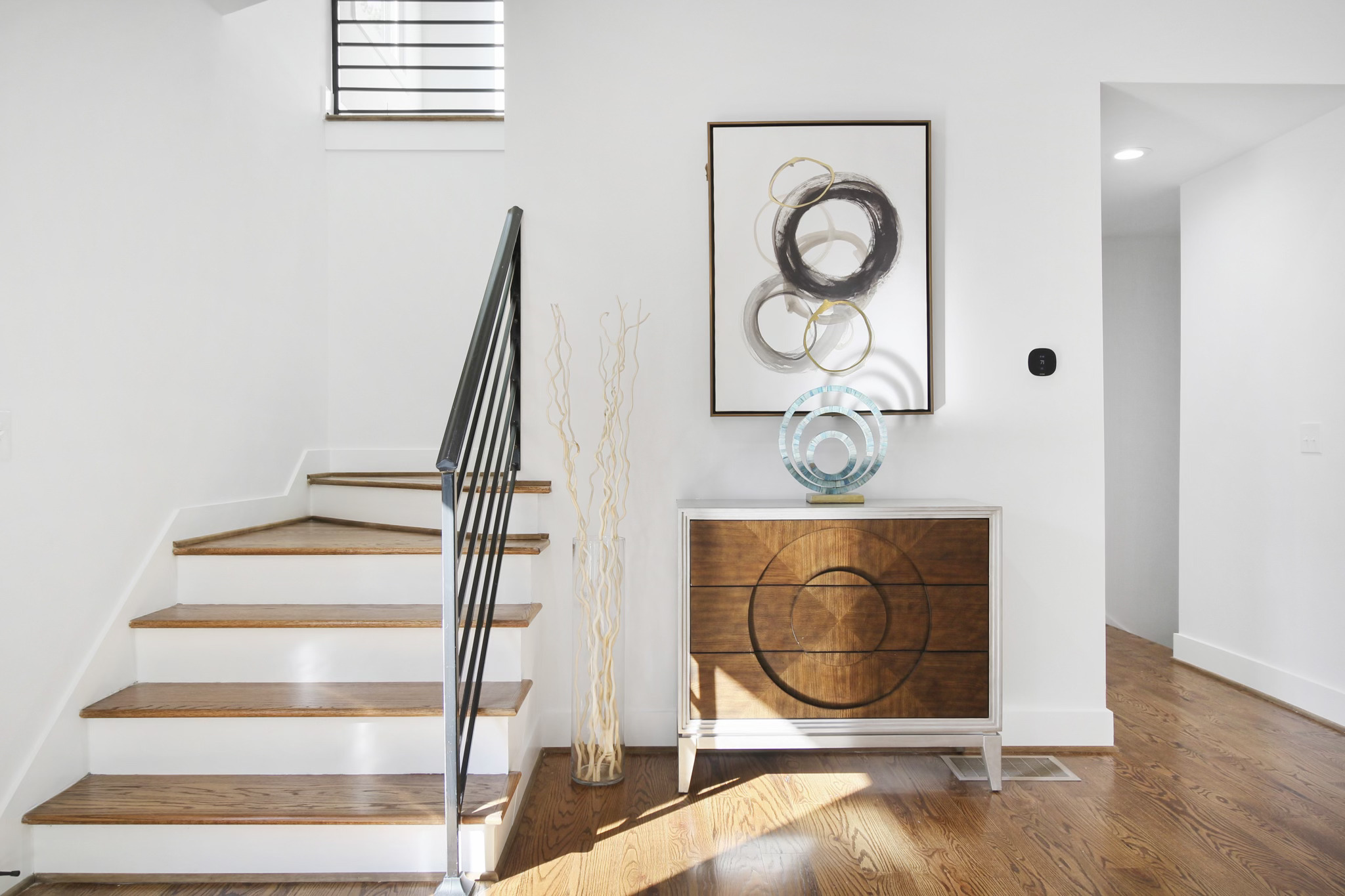
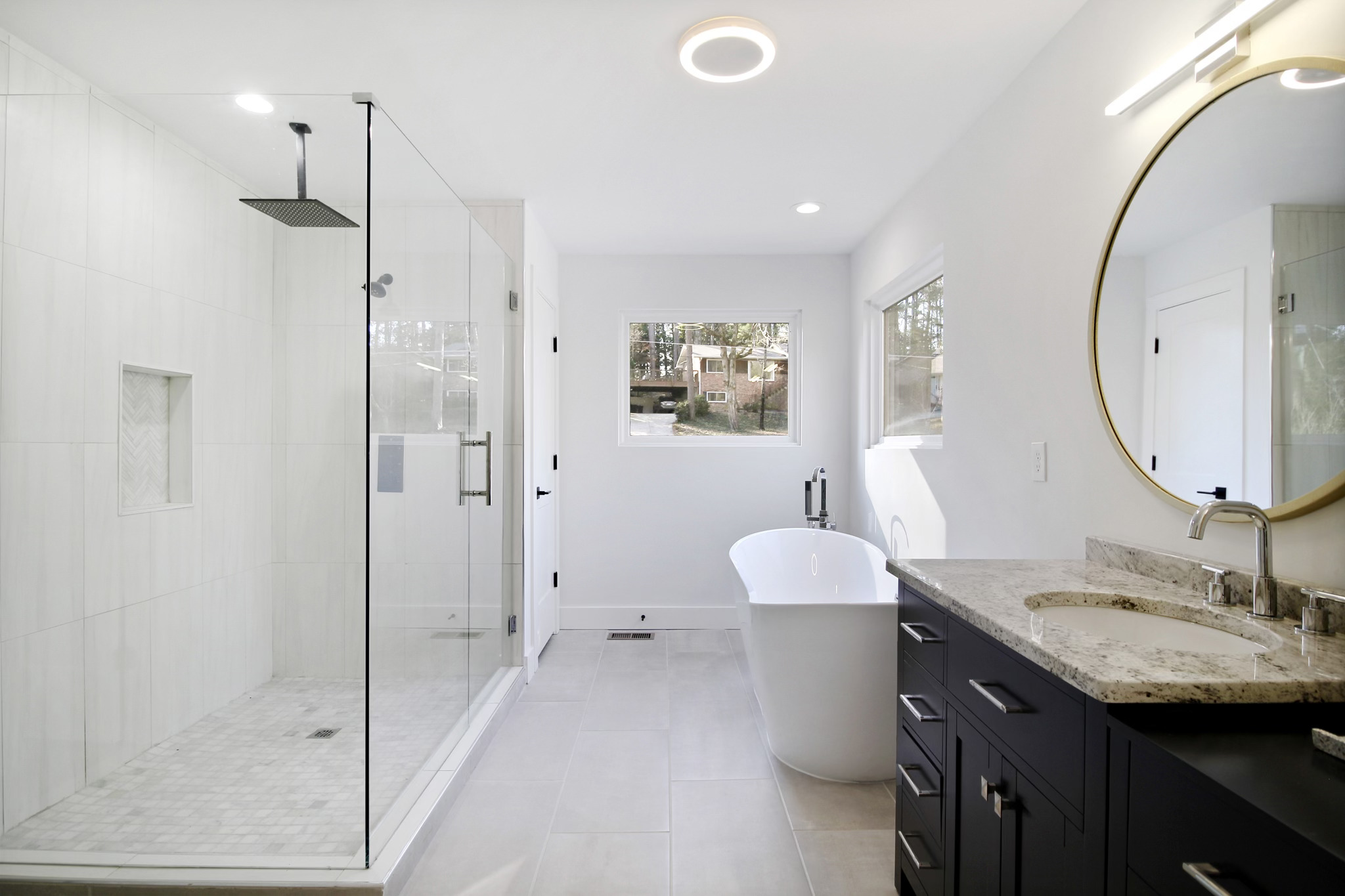
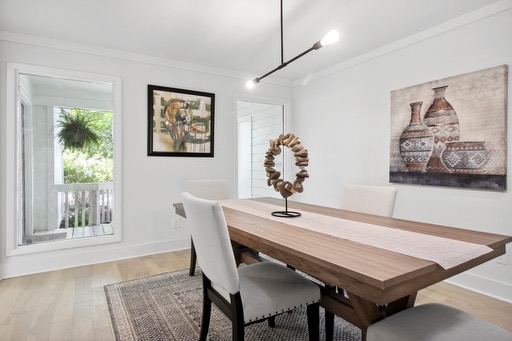
I see the property itself. I see what people will respond to. I see the economics underneath the decisions. And I see all the moving pieces that have to come together to get from where you are to where you want to go.
That perspective didn’t come from one career or one credential. It came from a life spent learning how people make decisions, how businesses operate, how properties are developed, and how to turn an idea into something real.
Today, I bring all of it to the way I work in real estate.
I studied consumer buyer behavior in college, long before I knew how much that understanding would eventually shape the way I approach real estate.
What makes someone stop and pay attention?
What creates value in their mind?
What makes one option feel right while another gets passed over?
Those questions matter when you’re selling a home because there is a real person on the other side of the listing making a decision.
They matter when you’re buying one, too. The things that make you fall in love with a home and the things that make it a good decision aren’t always the same.
Understanding both has stayed with me.
When you’ve been responsible for developing and selling real estate, you learn to look past the surface.
You start thinking about what something actually costs. What creates value. What could become expensive later. Which improvements are worth making and which ones simply consume money. What the market will support. What buyers will notice. And how hundreds of decisions eventually become one finished property.
I can’t turn that part of my brain off when I walk into a home.


If you’re selling, I’m thinking about what is worth changing before we ask the market to respond.
If you’re buying, I’m looking at what you may not notice while you’re falling in love with the kitchen.
And if you’re developing a property, I understand how much has to happen between seeing the opportunity and standing inside the finished result.
I’m an artist, too.
I notice composition, proportion, presentation, color, light, and the way a space makes someone feel before they can necessarily explain why.
Real estate lives in both worlds.
A property is a financial asset with costs, risks, and value. It is also a place someone has to see themselves living in.
I don’t think you have to choose between understanding the numbers and understanding the emotion.
You should understand both.
I don’t switch between those perspectives.
I use all of them at once.
And for all the strategy behind what I do, my definition of good service is pretty simple.
“I don’t think there’s anything more kind than listening to people and doing what you say you were going to do.”
I still believe that.
I want to understand why you’re making the move before I tell you how I think you should make it.
I prepare. I pay attention. I tell you what I see. I explain what matters. I keep you informed. And if something changes, I don’t want you wondering what happened or what comes next.
Some of the most valuable work I do may be work you never see because the problem was handled before it had the chance to become yours.
That’s how I want real estate to feel when we work together.
Not like you suddenly took on another job.
Like someone capable is paying attention.
You don’t have to fit into one definition of what real estate is supposed to do for you.
Maybe you’re ready to buy or sell a home.
Maybe you want to understand how the home you already own could become part of a bigger wealth strategy.
Maybe you’ve wanted to undertake a real estate project of your own without becoming the developer yourself.
Or maybe you’re simply looking for the right property.
Start with where you are.
Kindle Martin is a licensed Georgia real estate broker. Brokerage services are provided through Wynd Realty Georgia.